
“I know who I am. I carry Egypt in my veins. I am not a mistake, not a shadow, not a forgotten one. I am whole. I am gifted. And by knowing myself, I step into healing that flows through generations”
Healing is a journey many of us long for—whether from past hurts, disappointments, or the silent struggles we carry within. However, before any real healing can occur, there is a crucial first step: knowing who you are. Without this foundation, any attempt to heal feels like patching cracks on a wall without addressing the underlying structure.
The Broken Mirror of Identity

Many of us move through life looking at a broken mirror—our view of ourselves shattered by the words, actions, or failures of others. When our identity is rooted in what people think, the roles we play, or the mistakes we’ve made, we build our lives on unstable ground. Healing begins by asking a hard but necessary question: Who am I, truly, when everything else is stripped away?
This isn’t just a question of names, jobs, or achievements. It’s a question of essence. When you know who you are, you gain the power to face your pain with clarity. You stop defining yourself by wounds and begin seeing yourself as a person worthy of wholeness.
The Link Between Identity and Healing
Psychologists often emphasize that unresolved trauma is tied to distorted self-perception. For example, someone who grew up feeling unloved might unconsciously carry the belief that they are unworthy of love. This belief then influences their choices, relationships, and even how they process pain. Healing, therefore, is not only about addressing the hurt—it’s about rewriting the narrative of who you believe yourself to be.
When you ground your identity in truth, not lies or labels, your healing journey gains momentum. You stop treating symptoms and begin addressing the root cause: the way you see yourself.
The Courage to Look Within
Knowing who you are requires courage. It means sitting with your story, acknowledging your scars, and refusing to hide behind denial. Many people avoid this step because it feels uncomfortable. But avoiding who you are keeps you stuck. Healing begins when you face yourself honestly, with compassion rather than judgment.
Practical steps can help: journaling about formative experiences, reflecting on moments that shaped you, or even seeking therapy to uncover hidden beliefs. This self-reflection is not self-indulgence; it is self-awareness—the doorway to freedom.
Everyday Connections to Identity and Healing
Think about how identity plays out in daily life. When you know who you are:
- You stop seeking validation from people who can’t give it.
- You make healthier boundaries because you know your worth.
- You learn to forgive—not because the pain didn’t matter, but because your identity is no longer chained to the hurt.
These aren’t abstract lessons. They are choices you face every day: whether to internalize rejection or to remind yourself of your value, whether to cling to old wounds or step into new beginnings.
Spiritual Dimension of Identity
For many, identity is rooted in something greater than themselves. Faith traditions remind us that our worth is not based on performance but on being created with purpose. For example, seeing yourself as inherently valuable, loved, and chosen reframes your perspective. Pain no longer defines you; it refines you. This spiritual lens strengthens healing because it grounds your identity in something unshakable.
Moving Forward
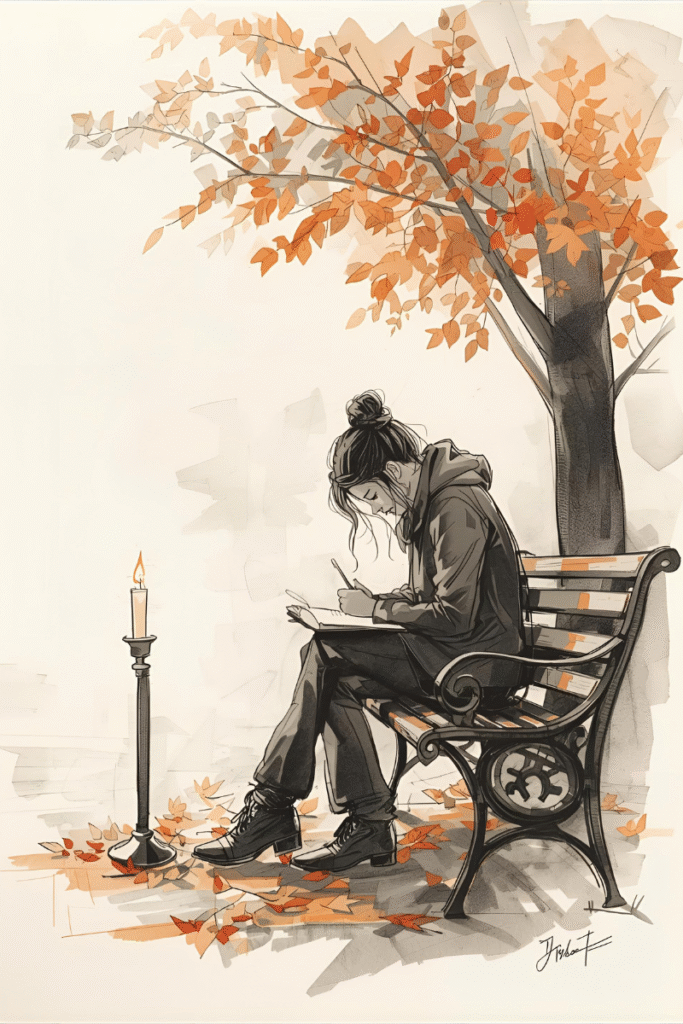
Healing is not instant. It is a process of peeling back layers, of learning to love yourself in places where you once felt broken. But the process becomes possible—transformative even—when you know who you are.
So ask yourself:
- Who am I beyond what I’ve been through?
- What truths about myself do I need to reclaim?
- What false labels do I need to release?
Owning your identity is not the end of the journey, but it is the most important beginning. Because when you know who you are, you finally permit yourself to heal, to grow, and to live free.